
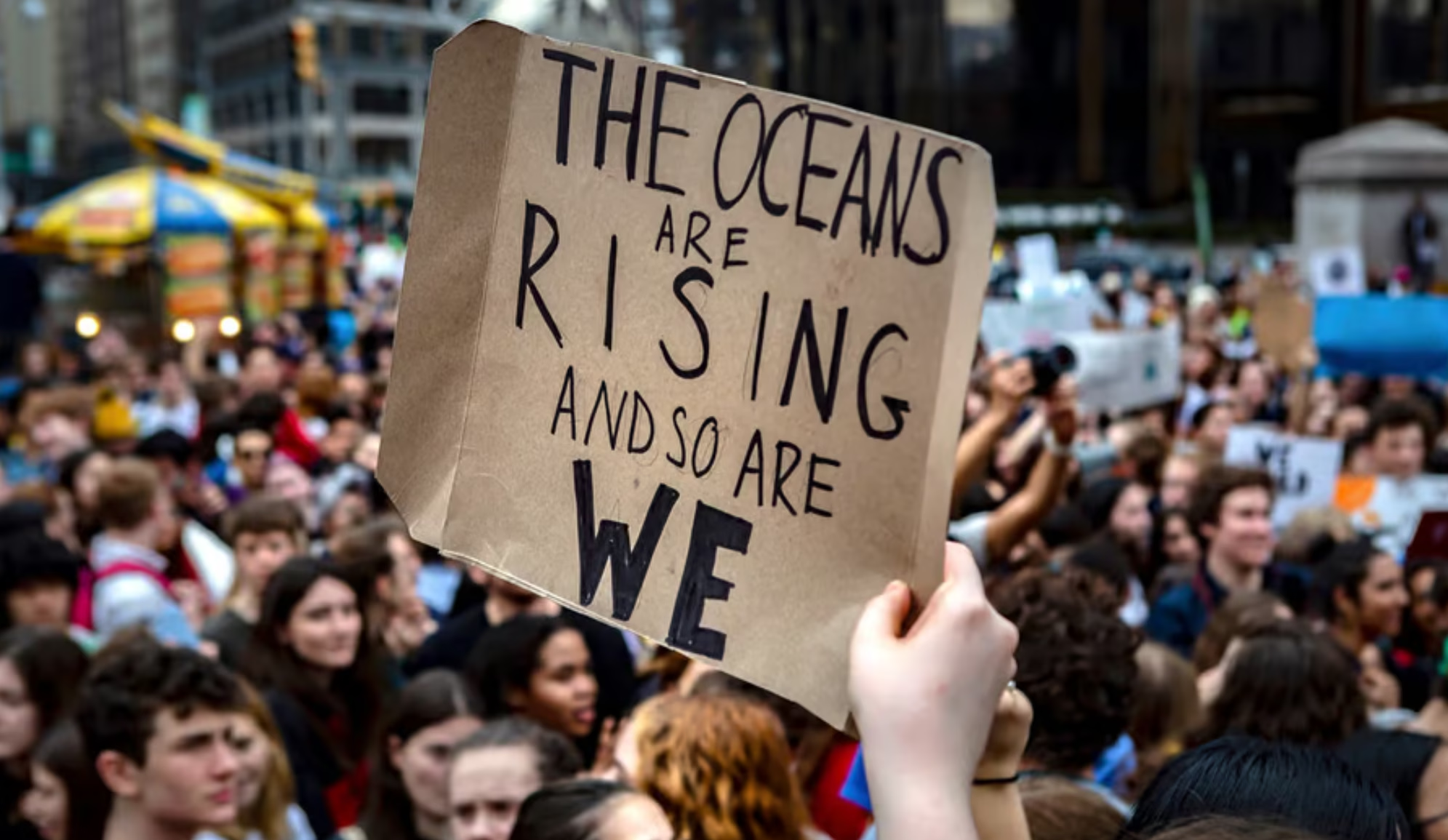
Youth have always played an important role in shaping societies, challenging traditions, and bringing new ideas into the political landscape. In modern times, young people are increasingly influencing political movements, policies, and public discussions worldwide. With greater access to education, technology, and global information, today’s youth are more informed and engaged than ever before.
Their energy, creativity, and willingness to question existing systems make them powerful contributors to political change and social progress.
Youth as Drivers of Social Change
Throughout history, young people have been at the forefront of many important social and political movements. Their passion for justice, equality, and opportunity often motivates them to challenge unfair systems and demand reforms.
Youth are more likely to question established norms and push for progressive changes. They bring fresh perspectives to issues such as climate change, education reform, economic equality, and human rights.
Because they represent the future generation, young people often focus on long-term solutions that will shape society for decades to come.
The Power of Youth Participation
Active participation in political processes is one of the most significant ways youth shape modern movements. Young people participate through voting, campaigning, organizing community events, and advocating for policy changes.
Many youth-led organizations work to raise awareness about important issues and encourage civic participation among their peers. These groups often focus on topics such as environmental protection, social justice, and access to education.
When young people participate in elections and public discussions, they influence political agendas and encourage leaders to address issues that matter to younger generations.
Social Media and Digital Activism
Technology has dramatically expanded youth’s ability to organize and communicate. Social media platforms enable young activists to share ideas, mobilize supporters, and raise awareness of social and political issues.
Online campaigns can quickly reach millions of people, making it easier to build momentum for political movements. Digital activism allows youth to coordinate protests, share information, and engage in meaningful discussions across borders.
Social media has also made it easier for young voices to be heard in public debates, enabling them to influence national and global conversations.
Youth Leadership in Political Movements
In many countries, young leaders are emerging as influential voices in politics and activism. These individuals often represent new ideas and innovative solutions to modern challenges.
Youth leaders can inspire others by demonstrating that age does not limit the ability to contribute to political change. By organizing movements, leading campaigns, and speaking publicly about important issues, they encourage greater youth involvement in civic life.
Leadership opportunities also allow young people to develop valuable skills such as communication, teamwork, and strategic thinking.
Addressing Issues That Affect Future Generations
One reason youth are so involved in political movements is that many major global issues directly affect their future. Challenges such as climate change, employment opportunities, access to education, and technological transformation will shape the lives of younger generations.
Young activists often focus on these long-term challenges and advocate for policies that promote sustainability, equality, and economic opportunity.
Their involvement helps ensure that political decisions take into account the interests and needs of future generations.
The Importance of Education and Awareness
Education plays a crucial role in encouraging youth participation in politics. When young people understand how political systems work, they are more likely to engage in civic activities and advocate for meaningful change.
Schools, universities, and community programs can help foster political awareness by teaching students about democratic processes, public policy, and social responsibility.
Access to reliable information also helps young people make informed decisions and avoid misinformation when discussing political issues.
Challenges Faced by Youth in Politics
Despite their enthusiasm and potential, young people sometimes face barriers to participating in politics. Limited representation in political institutions can make it difficult for youth perspectives to be fully considered.
Some young individuals may also feel discouraged by complex political systems or by a lack of opportunities to express their opinions.
However, increasing awareness about youth participation and the growing number of youth-led initiatives are gradually helping overcome these challenges.
The Future of Youth in Political Movements
As technology continues to evolve and global issues become more interconnected, the role of youth in political movements is likely to expand. Young people will continue to bring innovative ideas and fresh energy to political discussions.
Many governments and organizations are recognizing the importance of youth voices and creating platforms that encourage young people to participate in decision-making processes.
Empowering youth to contribute to politics not only strengthens democratic systems but also helps create policies that reflect the needs of future generations.
Conclusion
Youth play a vital role in shaping modern political movements. Their passion, creativity, and commitment to social progress allow them to challenge outdated systems and advocate for positive change.
Through activism, leadership, digital engagement, and civic participation, young people continue to influence political conversations worldwide. By supporting youth involvement and encouraging political awareness, societies can build stronger, more inclusive systems that reflect the aspirations of both present and future generations.